Derailing a huge railway merger will cost American consumers dearly
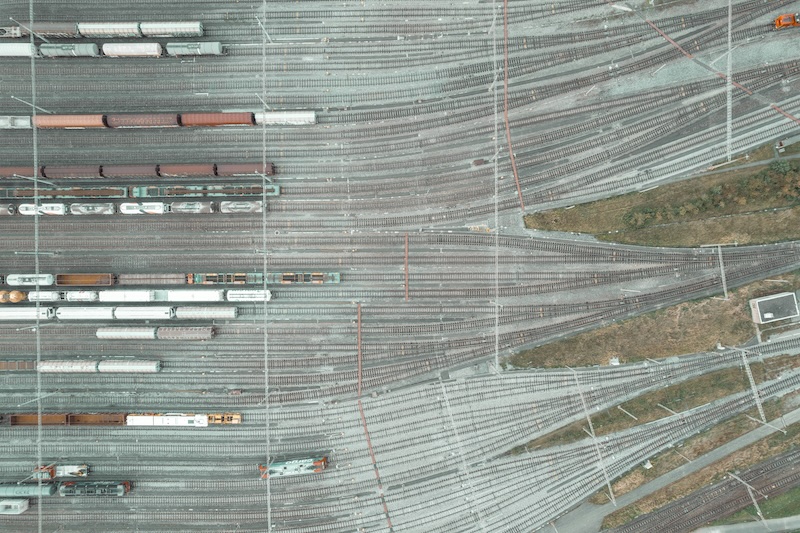
Earlier this year, the federal government rejected a merger plan to build America’s first transcontinental railroad. A refusal wasn’t issued because the deal is bad for consumers, rather, it didn’t include the right paperwork.
The Surface Transportation Board unanimously declared in January the $85 billion merger application between Union Pacific and Norfolk Southern was “incomplete”, forcing the companies to refile by the end of next month. That means adding thousands more pages for the regulator to evaluate.
As the most recent data shows, many American families are still paying 3 percent more on everything from groceries to appliances than in 2025, and the supply chains that move them are as fragile as ever. Considering that $4 of every $100 grocery bill is directly tied to transportation of food, making this railroad merger a priority is a surefire way to lower costs.
The deal would connect 50,000 route miles across 43 states and more than 100 ports, the first freight network capable of moving cargo coast to coast without a single change of hands. That’s a big win for every business and family that relies on getting goods to market affordably—and it’s the kind of thing consumers expect to happen without ever knowing about it. We take business efficiency for granted.
Union Pacific and Norfolk Southern already exchange nearly one million shipments a year before goods are delivered to our shelves. Every crew swap, cargo transfer, and paperwork exchange adds cost that ends up in the price of goods at checkout. Merging that network gets rid of those additional steps and passes the savings on to consumers.
Though this deal helps consumers up and down the supply chain, it must still pass the test of politics in a deeply polarized Washington. Senate Minority Leader Chuck Schumer has called the deal a “hostile takeover” of America’s infrastructure, citing the outcry from railroad unions as the main reason to oppose it.
Schumer’s claim is especially jarring considering he entered Congress in President Ronald Reagan’s first term and has spent decades presiding over a regulatory environment that has slowed infrastructure investment and made it drastically more costly to Americans.
Further delaying innovation and investments in the rail sector to benefit one constituency over the broad American public and their wallets is the definition of a hostile takeover.
Other critics of the deal, including many shippers who rely on rail, say a merger will reduce competition and raise prices, particularly in agriculture. The STB should scrutinize this claim before attaching any conditions.
A unified transcontinental network competes against trucking, shipping, and air freight, modes that have gained market share precisely because rail has been slow, fragmented, and regulated like an 18th century technology. Smarter consolidation can restore rail’s competitive edge across the whole system and inject yet more competition into every leg of the supply chain.
The STB has legitimate authority to attach meaningful conditions before approving the merger: rate protections for agricultural shippers, service guarantees, and open-access provisions for short-line railroads.
It should be free to do so.
Congress should also modernize the STB’s merger review framework, designed for an earlier era of rail. The current process allows procedural challenges to stall reviews for years, giving incumbent railroads, shipper lobbies, and unions tools to block deals that would ultimately benefit consumers.
Setting binding review timelines wouldn’t weaken the board’s scrutiny, it would make the board’s approval matter (even more) when it finally gets handed down. Added layers of legitimacy are good for everyone.
American consumers don’t care whether freight moves on one railroad or two. They care about affordable prices and stocked shelves—bureaucratic delay in Washington is no excuse for denying them both.
Yaël Ossowski is deputy director of the Consumer Choice Center and author of The Consumer Case for Reimagining and Innovating Railroad Policy.
published at the Consumer Choice Center.