How Europe Can Talk Donald Trump Out of a Diesel Export Ban
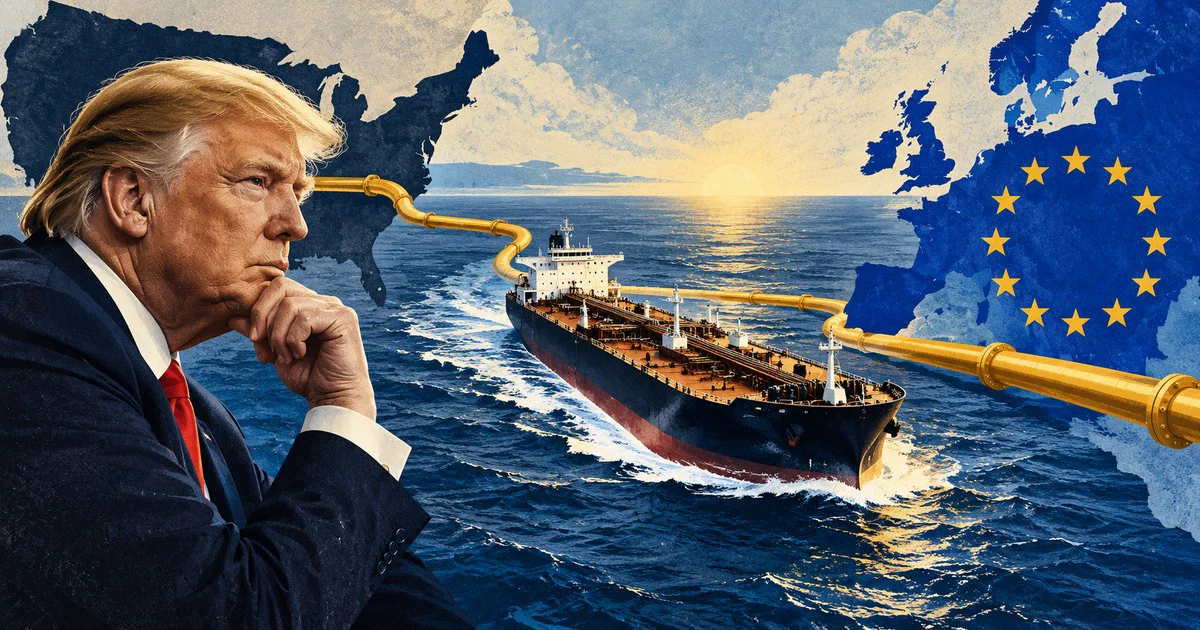
Instead of lobbying against a US diesel export ban, Brussels should offer to scrap the sustainability reporting rules that burden American energy exporters.
Europe’s energy woes are hitting a breaking point, and Brussels is asking America to bail it out.
After years of high prices due to restricted fuel and gas supplies after the Russian invasion of Ukraine and the green-inspired dismantling of German nuclear energy reactors, the ongoing war in Iran has pushed up diesel prices in Europe to a continental average of more than $9.50 per gallon.
In the United States, meanwhile, diesel has hit an average of $6.53 per gallon, prompting President Donald Trump to float a ban on diesel fuel exports to keep domestic supply onshore. As the world’s largest diesel exporter, the United States currently supplies about half of the EU’s total diesel imports.
Why a US Diesel Export Ban Would Hit Europe Hard
According to a recent projection by Goldman Sachs, an American ban on diesel exports would lead to a short-term 4 percent reduction in domestic diesel prices—to help America’s consumers—but then immediately lead to 2 percent higher wholesale prices in Europe. Once US storage is full, Goldman expects American prices to jump back about 30 cents a gallon.
With no other diesel substitutes on the horizon, European diplomats are lobbying against Trump’s proposed export ban in hopes of keeping the fuel flowing to power Europe’s trucks and tractors.
The Trump administration has long criticized Europe’s energy policies and their impact on American consumers and energy companies. Especially before a midterm election, President Trump has little incentive to shelve a proposed export ban to help our European allies.
The European Union, left with few other options, therefore has a unique opportunity to engage Trump in a language he understands—let’s make a deal.
How Europe Can Lower Diesel Prices
There are two options Brussels could pursue if it wants to provide immediate price relief to its citizens. It can tell EU member states to cut fuel taxes, which make up nearly 40 percent of the price at the pump, or it can guarantee supplies of American distillate fuel oil by offering a policy change Trump wants in return.
Energy taxes, mostly on fuel, account for up to 4 percent of government revenues in most European countries. Governments could cut taxes in the short term, but it wouldn’t deliver any additional fuel.
Since we know Europeans won’t suddenly embrace massive tax cuts and starve their social spending, the smarter approach is to appeal to the Trump administration’s long-sought desire to roll back harmful anti-energy regulations in Europe that penalize American companies and consumers.
Which EU Regulations Donald Trump Wants Scrapped
The two most relevant regulations cited by the Trump administration as trade irritants are the Corporate Sustainability Due Diligence Directive (CSDDD) and the Corporate Sustainability Reporting Directive (CSRD), which will require companies to provide reams of information on supply-chain “risks” to sell their products into the EU. This includes data on local labor and environmental practices, as well as commitments to sustainability and social goals that uphold European values.
These laws force a logging company in South Carolina or a Texas diesel refinery to report workforce data and calculate its carbon emissions before exporting its products into France or Belgium.
In the August 2025 US-EU trade memo, the EU committed to ensuring that its sustainability regulations would not “pose undue restrictions on transatlantic trade,” and it has made some progress. In its Omnibus package, in force since March, the EU raised certain reporting thresholds and reduced fines, though the majority of the regulations remain in place and enforceable against American companies.
The EU has already offered to delay its plan to regulate methane. If the Europeans want to further dissuade President Trump from a diesel export ban that would wreak havoc on their energy markets, rolling back restrictive regulations that impact American energy exports would be a solid offer the president could hardly refuse.
Europe should offer to scrap these sustainability reporting requirements and give President Trump a win he can champion across the American heartland—and one Europeans could benefit from, too. They can do this by exempting non-EU companies from compliance, opting the United States out entirely, or raising thresholds further.
Why a Deal Beats a Diesel Export Ban
It deserves to be said that export bans are bad. Bans on energy exports are worse. A US ban on diesel exports would likely do more harm than good in the long run. Even Trump’s own cabinet secretaries, Energy Secretary Chris Wright and Interior Secretary Doug Burgum, are skeptical.
But if there’s anything President Trump can’t resist, it’s a good deal that gives America a win and spares everyone from a bad policy.
If Europe wants to meet Trump on his level and do well by their own populations on the diesel shortage, they have a path: It’s the art of the deal.
Published in The National Interest (archive #1, #2).